
Is 13 Reasons Why A True Story

So, you’ve just binge-watched 13 Reasons Why, and now you’re eyeing your high school yearbook like it might explode. You’re probably asking: Is this gut-wrenching show actually a true story? Grab your emotional support snack, because I’m about to spill the tea—and maybe a little sarcasm on the tablecloth.
The Quick, Painful Answer
No, 13 Reasons Why is not a true story. It is a work of fiction, based on a novel by Jay Asher published in 2007.
But—and this is where it gets weird—the show feels true because it grabs real-life issues by the scruff of the neck. Think of it as a dramatic, cautionary pizza topped with tragedy, served with a side of “please don’t try this at home.”
Must Read
The Author’s Accidental Inspiration
Jay Asher has said the idea didn’t come from a single real event, but from a weird, creepy thought: what if a pair of cassette tapes were used as a revenge diary? He once joked the concept hit him while he was half-asleep and probably dreaming of old electronics.
Surprisingly, Asher got the idea from a relative’s experience with bullying—not suicide. So the tapes are pure fiction, but the feeling of being isolated? That’s as real as your last awkward school dance.
But Wait—There’s a Real World Connection
Here is the shocking truth: while the plot isn’t real, the show is surrounded by real consequences. After it dropped on Netflix in 2017, a study found that searches for “how to commit suicide” spiked by 26% among young people. That’s a terrifying fact, not a joke.
On the flip side, the show also sparked thousands of real conversations about mental health. So, in a way, it became a true story for many families—except with fewer cassette tapes and more awkward texts.
The “Based On” Trap
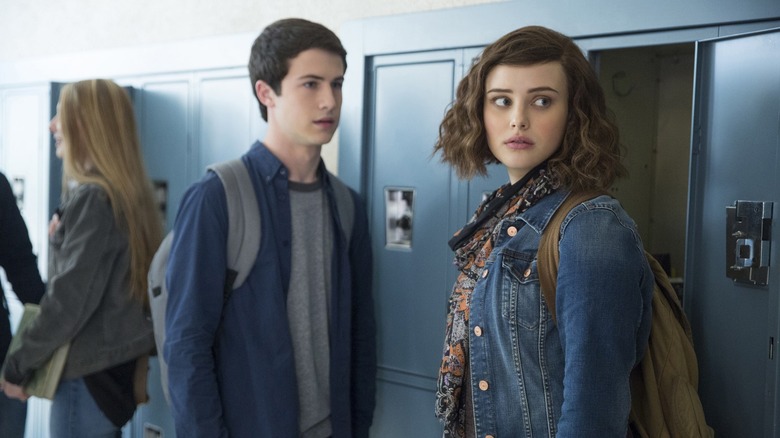
Don’t confuse “inspired by real issues” with “this literally happened to someone named Hannah Baker.” Hannah is a composite character, a tragic Frankenstein’s monster made of author’s fears, teen drama tropes, and a dash of melodrama.
In fact, Asher has said he deliberately avoided using one specific real story because that would be exploitation. Instead, he mixed up a cocktail of fictional angst, then added a straw and a warning label.
Fun Facts That’ll Make You Snort
Did you know that the original book was rejected by nine publishers before it became a hit? That’s nine people who said “nah, no one wants to obsess over thirteen reasons why.” Guess they were wrong—and now we have a whole generation pretending to know what a tape deck is.
Also, the show’s producers consulted with real mental health experts, but still got flak for glorifying suicide. It’s like ordering a salad and being mad it has lettuce—you knew what you were getting into.

The Verdict From Your Friendly Café Philosopher
Is it a true story? Only if you consider “everyone in high school feels like they’re the star of their own tragedy” a documentary. The events are pretend, but the emotions are borrowed from real people’s struggles.
So, relax. You can put down the yearbook and stop side-eyeing that kid who always wore headphones. Just remember: if someone hands you a box of cassette tapes in 2025, they’re probably a hipster, not a ghost with a grudge.
A Final, Serious-ish Word
While we laugh about the crazy plot twists, never forget that suicide is real and not a cliffhanger. The show was meant to start conversations, not to copycat. If you or someone you know is struggling, put down the remote, pick up the phone, and call a helpline. That’s the only truly “true story” worth telling.
Now, go enjoy a cookie. You’ve earned it for surviving that emotional rollercoaster—and my questionable humor.