
What Is Currency In London

So, you’re heading to London, or maybe just daydreaming about it. And a little voice in your head asks: “What even is currency here?” You probably know it’s the pound, but let’s be real—that’s like saying pizza is just bread and cheese. There’s a whole vibe to London money that’s pretty quirky and cool.
First off, it’s not just any pound. It’s the Pound Sterling, symbolized by that fancy £ sign. And here’s the weird part: the coins are chunky and satisfying, and the notes are plastic. Yep, plastic. They feel like a credit card but smell like a new wallet. It’s tactile, futuristic, and oddly satisfying to snap one in the pub.
Why is it called a ‘Quid’ and other slang secrets?
If you want to sound like a local, you’ll hear ‘quid’ for pound. “That’ll be twenty quid, mate.” It’s just slang, like ‘bucks’ for dollars, but way more charming. You might also catch someone saying a ‘fiver’ (five-pound note) or a ‘tenner’ (ten-pound note).
Must Read
And here’s a fun one: a ‘pony’ is £25, and a ‘monkey’ is £500. Why? Nobody really agrees, but it feels like secret spy code when you use it. Try dropping “That jacket cost me a pony” at a market stall and watch the vendor chuckle.
Coins that have personalities
The coins are a whole rabbit hole. There’s the 1p (penny) and 2p which are heavy and copper-colored, but the real star is the £2 coin. It’s chunky, two-toned, and feels like a little medal. You can even find special designs on them—like a bridge for the Millennium or a dragon for Wales.
And the 20p? It’s a tiny silver heptagon (seven-sided!). Why? Just to keep you on your toes, I guess. It’s like the coin world’s cool rebel. People actually collect these things because they’re oddly beautiful.

How much stuff costs (spoiler: it’s not cheap)
Let’s talk numbers. A coffee in a trendy café will run you about £3.50 to £4. A pint of beer? Around £6 or £7 in central London. That’s, like, the price of a burrito back home, here for a simple pint of ale. But it’s good ale, so you forgive it.
A Tube ride is roughly £2.80 with a contactless card. And a simple sandwich from a deli? That’s your £5 gone. London makes you appreciate a packed lunch, honestly. It’s expensive, but the energy makes you feel like you’re spending experience money, not just cash.
Cards vs. cash: the modern dance
Here’s the chill truth: you barely need physical money anymore. Almost every shop, tube station, and market stall takes contactless cards or Apple Pay. Even a busker with a guitar might have a contactless reader on their case. “Tap your phone for my tune” is low-key the new normal.
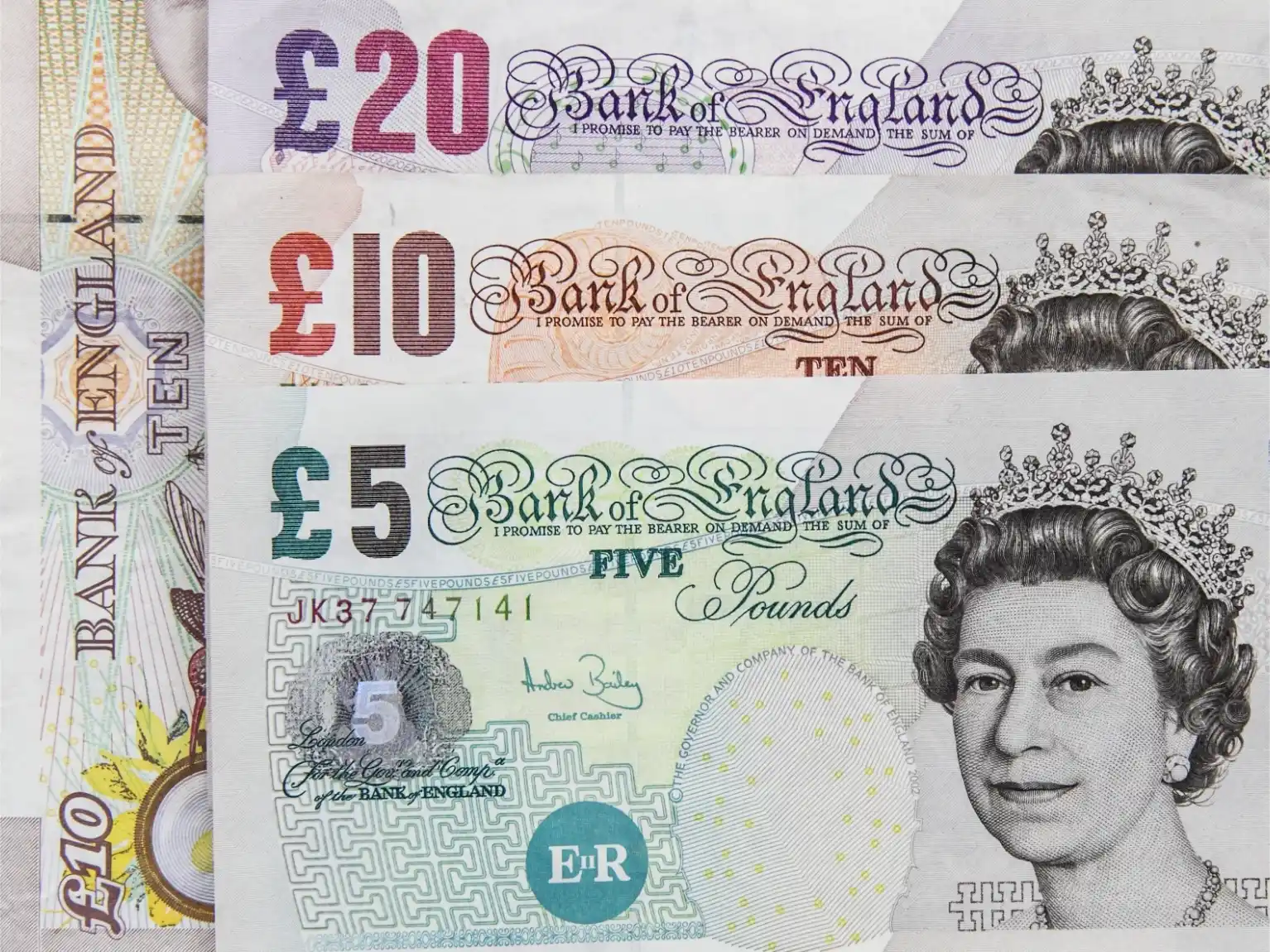
But cash still has its magic. Tossing a £2 coin into a charity bucket feels weighty and good. Handing a note to a taxi driver feels old-school romantic. And at some vintage markets, cash is king. So carry a few quid—it’s like a tiny talisman of London.
Why it’s cooler than you think
The real reason London currency is interesting? It’s a history lesson in your pocket. The ‘pound’ traces back to Roman times—a pound of silver. The ‘penny’ was a silver coin in the 8th century. So when you hold a modern plastic fiver, you’re holding 1,200 years of trade, rebellion, and royal faces.
And the £ note’s design? It features Jane Austen or Alan Turing, not just dead white guys. It’s got science, literature, and a splash of diversity. Pretty rad for something you’ll probably use to buy a croissant.
So next time you’re staring at a pile of London coins or tapping your phone for a bus ticket, remember: it’s not just money. It’s a weird, wonderful, plastic-and-metal mosaic of a city that’s been buying stuff for longer than you’ve been alive. Now go spend a tenner like a proper Londoner.