
What Is A Fifty Cent Piece Worth
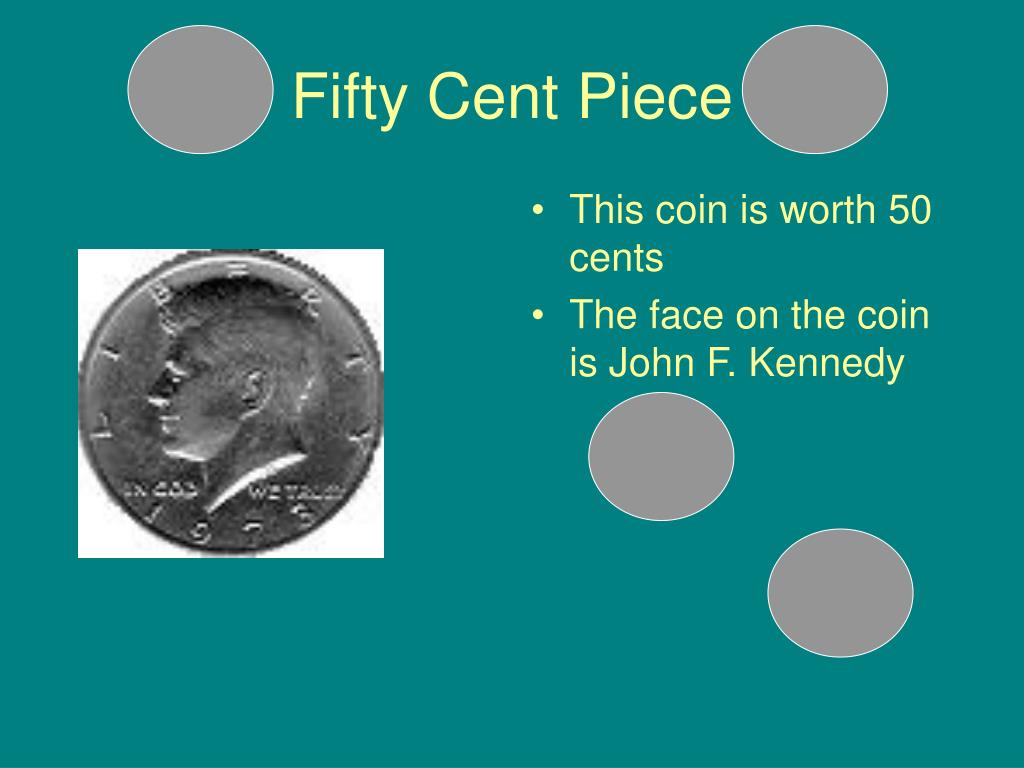
So, picture this: I’m cleaning out my grandpa’s old desk, right? I find a heavy, silver-looking coin jammed in the back of a drawer—a Kennedy half dollar from 1967. My first thought? “Cool, I’ll grab a soda with this.” Spoiler alert: that soda would have cost me about ten bucks in lost value. That’s when I started asking: what is a fifty cent piece actually worth?
Here’s the blunt truth: most fifty cent pieces are worth exactly… fifty cents. If you find a modern one (1971 or later) in your pocket change, it’s just clad metal—copper and nickel. Spend it. No shame. But the second you spot a pre-1971 coin, your brain should start tingling. That’s the “silver era,” and things get weird.
Before 1965, half dollars were 90% silver. Seriously—they were like tiny, jangling bars of precious metal. Even the “reduced” silver ones (1965–1970) are 40% silver. So, what’s that worth in real money? Right now (and silver prices always bounce), a 90% silver half dollar’s melt value is around $8 to $10. Yeah, your grandpa’s loose change is a mini treasure.
Must Read
The 90% Silver Ones: The Real MVP
Let’s break it down: a 1964 Kennedy half dollar (90% silver) has about 0.3617 troy ounces of silver. At today’s spot price—let’s say $25 per ounce—that’s $9.04 in metal alone. But wait, there’s more. Collectors will pay extra for a coin in mint condition, even if it’s just “uncirculated.” I’ve seen common dates sell for $12 to $15 online. Not bad for a coin someone used to buy a sandwich.
Then you have the real unicorns: coins with errors, proof sets, or key dates. A 1970-D Kennedy half dollar (only released in mint sets) can fetch $15 to $30 in good shape. And if you find a 1794 Flowing Hair half dollar? Well, one sold for $2.6 million in 2023. But let’s be real—you’re not finding that in a couch cushion.
What About “Junk Silver”?
You’ll hear coin nerds talk about “junk silver.” It sounds insulting, but it just means coins with no collector value—only melt value. A bag of random pre-1965 half dollars is pure silver sludge to them. But to you? That bag is $8 to $10 per coin for a 90% piece. Think of it as an emergency fund. You can literally melt it down (please don’t) or sell it during a silver price spike.
Here’s the kicker: even the 40% silver halves (1965–1970) are worth something. At current silver prices, their melt value is about $4.50 to $5.50. Still double face value! Look at your grandpa’s 1967 coin—see how the edge has a slight copper stripe? That’s the 40% blend. Pop quiz: would you rather have a dollar bill or a coin worth two sodas? Yeah, that’s what I thought.
The “Ugly” Coins That Still Shine
Don’t overlook the Franklins (1948–1963) and Walking Liberty (1916–1947) halves. They’re also 90% silver, but their designs are iconic. A worn Walking Liberty might only be worth melt—but a mint-condition, early-date version? That could be $50 to $200 easily. I once saw a 1916-D sell for $1,500 because of a tiny mintmark. Check your mintmarks, people! They’re like secret bonus levels.
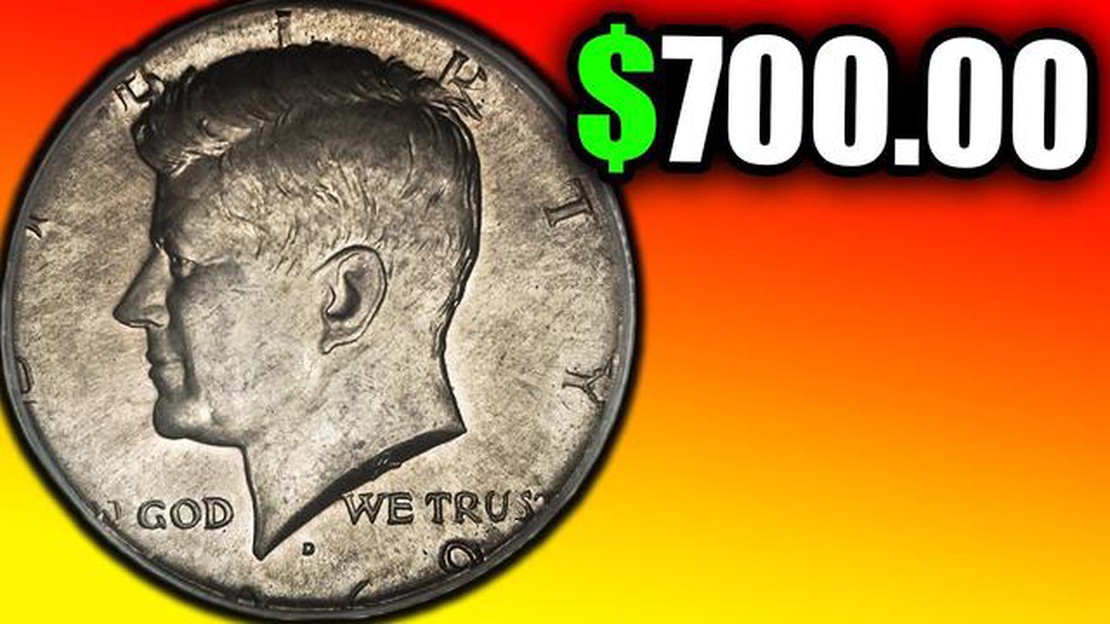
Now, let’s talk about the Kennedy fifty cent piece—specifically the 1964 proof version. Those were struck for collectors, and a perfect one can hit $30 to $50. But here’s the irony: many people hoarded them thinking they’d be worth a fortune after JFK’s assassination. Guess what? Most aren’t. The market is flooded. Your grandmother’s “investment” might just be a very heavy fifty cent piece.
How Do You Even Sell One?
Casually asking a bank teller, “Hey, is this worth anything?” will get you a blank stare. Instead, hit up your local coin shop (they’ll give you 80–90% of melt instantly) or eBay (where a 90% half can fetch $9 to $12 after fees. Just take a good photo—no blurry fingers, please.
My personal rule? Never spend pre-1971 halves. Drop them in a jar. Over a year, you’ll have a stack of shiny “emergency cash” that keeps up with inflation. Silver historically moves sideways, but when inflation spikes, so does your coin’s value. Try doing that with a dollar bill that’s losing 5% per year.
So, what is a fifty cent piece worth? It’s a ridiculous spectrum: from fifty cents to two million dollars. But for most of us, it’s a tiny, jangling reminder that value is weird. A coin is only worth what someone will pay—and right now, people are paying ten to twenty times face value for any pre-1971 half. Go dig through that desk drawer. You might just win the “boring” lottery.
P.S. — If you find a 1970-D half, DM me. I’m kidding. But seriously, don’t spend it on a soda.