
What Was Jeffrey Epstein Net Worth
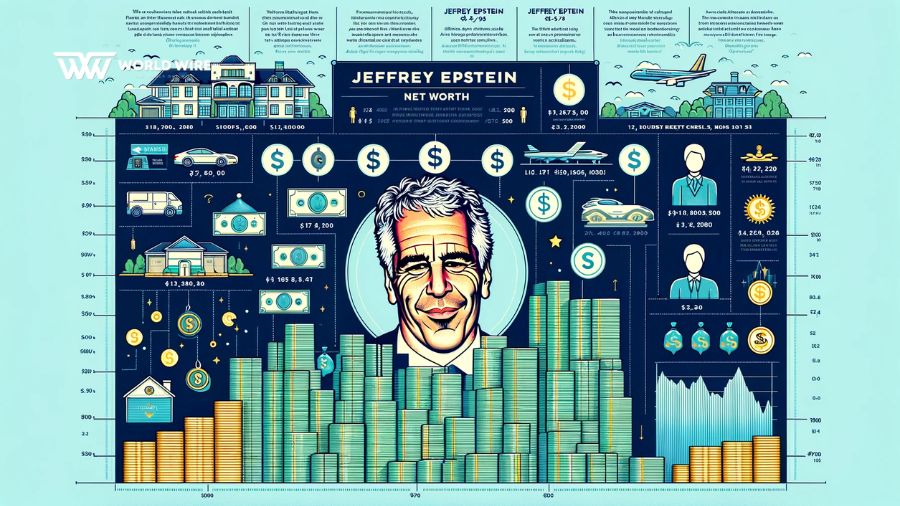
Let’s be honest: when you hear “Jeffrey Epstein,” your brain probably goes straight to the creepy headlines, not his bank account. But his net worth is a whole other rabbit hole—one that’s more confusing than trying to split a dinner bill with three friends who all paid with different cards. Was he a billionaire? A secret money wizard? Or just a guy with a really good accountant?
Officially, Epstein’s net worth was a moving target, like that one friend who always says they’re “fine” but clearly isn’t. In 2008, his lawyers claimed he was worth a paltry billion dollars. But by the time he died in 2019, Forbes estimated he had roughly $577 million. That’s a lot of cash, sure, but not quite “yacht-and-private-island” money in the world of the super-rich. It’s like showing up to a Ferrari dealership with a Honda Civic budget—still impressive, but you’re not driving home in a LaFerrari.
Where Did the Money Come From?
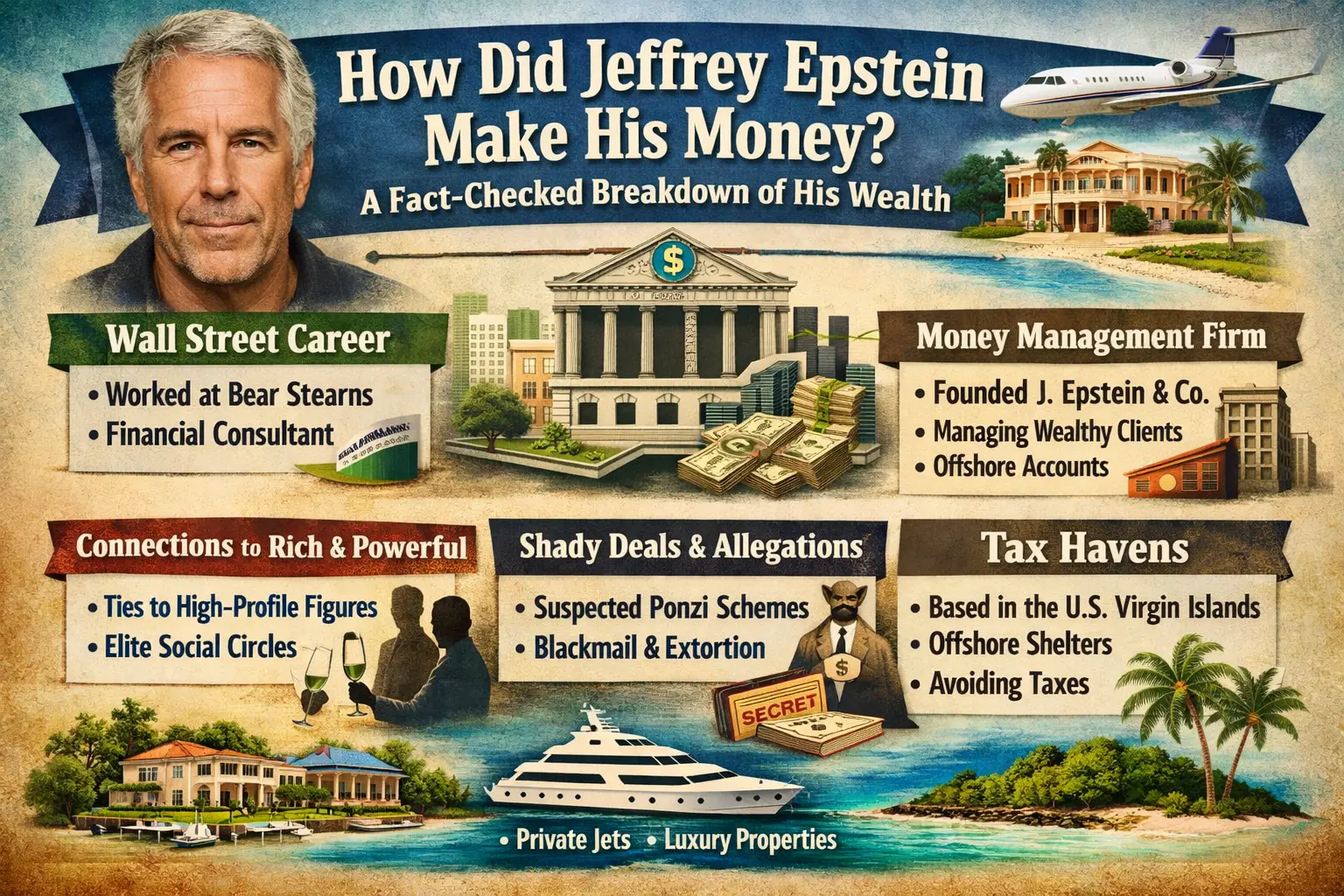
Epstein started his career as a math teacher at the Dalton School in New York. Yes, a math teacher. Imagine going from grading algebra homework to owning a private island. That’s like your barista suddenly buying a record label. His big break came when a student’s dad, a big-shot on Wall Street, took a liking to him. “Hey kid, you’re good with numbers—come work for me.”
Must Read
He then moved into investment banking, but here’s the kicker: nobody really knows what he did. He was a “financial adviser” to a mysterious circle of billionaires, including Leslie Wexner (of Victoria’s Secret fame). It’s like if your uncle claimed to be a “consultant” but showed up to family dinners with a new Rolex every month and no real explanation. You nod along, but you’re pretty sure he’s either a genius or a crook—or both.
His wealth wasn’t from a product or a service you could buy at the mall. It was from managing other people’s money in ways that made accountants sweat. Think of it like being the friend who “knows a guy” who can get you concert tickets. You never ask how, but you’re just grateful to be in the VIP section.
The Island and the Jet
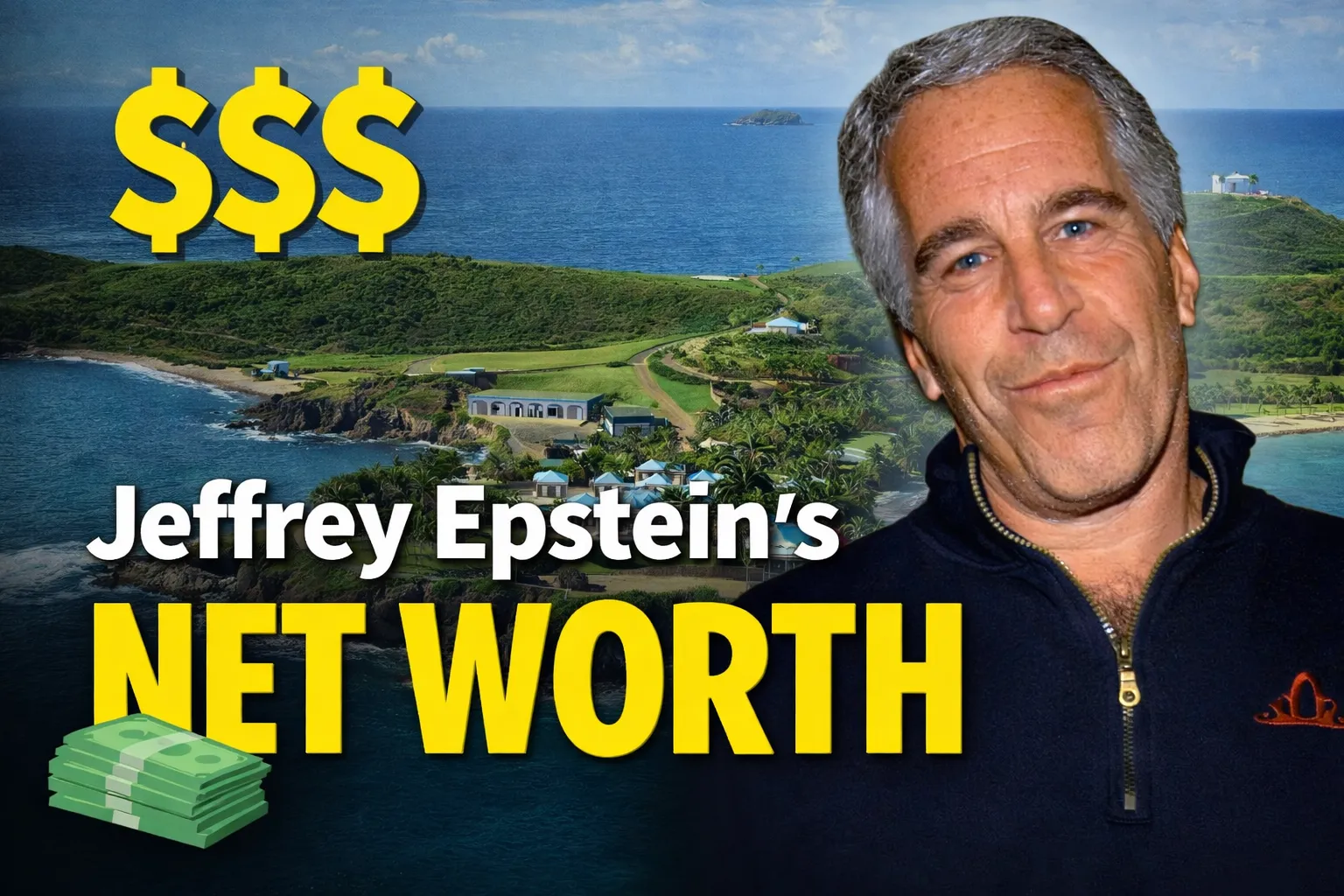
So, what did all that cash buy? Stuff that sounds like a villain’s shopping list from a Bond movie. He owned a private island in the U.S. Virgin Islands called Little St. James. Not exactly a lake house with a jet ski, right? He also had a 737 jet nicknamed the “Lolita Express.” Just the name alone makes you want to rethink your life choices.
He had a mansion in Manhattan—a 7-story townhouse on the Upper East Side. For reference, normal people in New York pay $3,000 a month for a studio apartment that’s smaller than your childhood bedroom closet. Epstein’s house had a private elevator, a library, and a pool. It’s the kind of place where you walk in, trip over a rug, and accidentally break a vase worth more than your entire college education. “Oops, sorry, that was my tuition.”
The “Billionaire” Myth
The tricky part is that Epstein loved the illusion of being a billionaire. He rented a bigger plane than he owned. He wore a hoodie and sneakers to look “chill,” but his lifestyle screamed “I have more money than I know what to do with.” It’s like that guy at the party who talks about his startup while wearing a $10,000 watch. You don’t know if he’s legit or just really good at pretending.
When he died, his estate faced a $46 million tax bill. That’s a sign that, while rich, he wasn’t quite running with the Bezos crowd. It’s the difference between having “f-you money” and having “f-you-and-your-grandchildren money.” His net worth was real, but it was also a mirror—reflecting a world where secrecy and access are more valuable than a stock portfolio.
What Can We Learn From This Mess?
Honestly, not much that’s useful for your 401(k). Epstein’s wealth was built on relationships, not hard work or a brilliant app idea. He was a gatekeeper. In real life, that’s like being the person who knows the secret password to the office coffee stash. Except his password got him a jet and a tropical island. You have to admit: for a math teacher, he played the game better than anyone should have.
So, next time you’re scrolling through Instagram and see some influencer bragging about a “net worth of $10 million,” just remember Epstein. His number on paper was big, but the real value was in the shadows. And in the end, those shadows cost him everything. Maybe the lesson is: if your net worth relies on secrets, you’re not rich—you’re just a landlord of a very dark basement.
And that’s probably the most relatable thing about the whole story. Even the richest people can have empty pockets where it counts. At least you don’t need a private island to figure that out. High five.